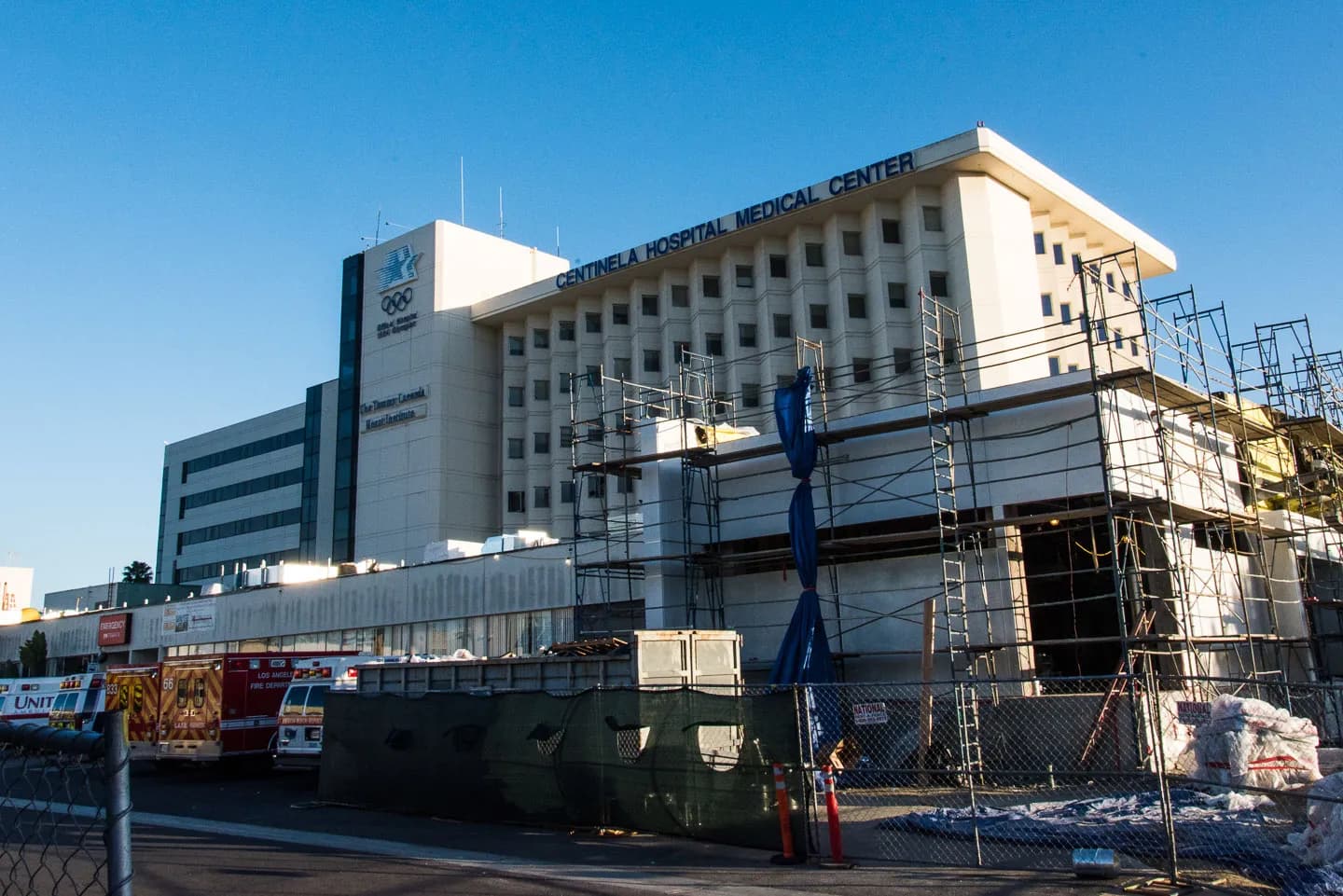
When several trades share a work area, clear responsibilities and timely communication are part of the safety plan.
Construction safety is shaped by the way work is planned and coordinated. On a site with several employers, each crew’s activities can affect others nearby. OSHA’s recommended practices emphasize communication between employers and coordination of their safety programs before work begins.
A practical coordination meeting should identify the tasks happening in each area, the hazards they introduce, and the controls that need to be in place. Discuss access, equipment movement, overhead work, and any activity that changes conditions for another trade. Assign responsibility for the shared parts of the plan.
A daily briefing is most useful when it reflects the work that is actually scheduled. A change in sequence, a new delivery, or an unexpected existing condition may require the team to revisit the plan. Workers need a clear way to raise concerns and know who can resolve them.
Documentation supports that conversation. Keep current plans and relevant instructions accessible, record decisions, and close the loop on reported issues. The goal is a shared understanding of how work will proceed and what to do when conditions change.
Owners evaluating a construction partner can ask how the team coordinates with other employers, communicates site changes, and involves workers in identifying hazards. Those questions reveal more about day-to-day practice than a safety slogan alone.